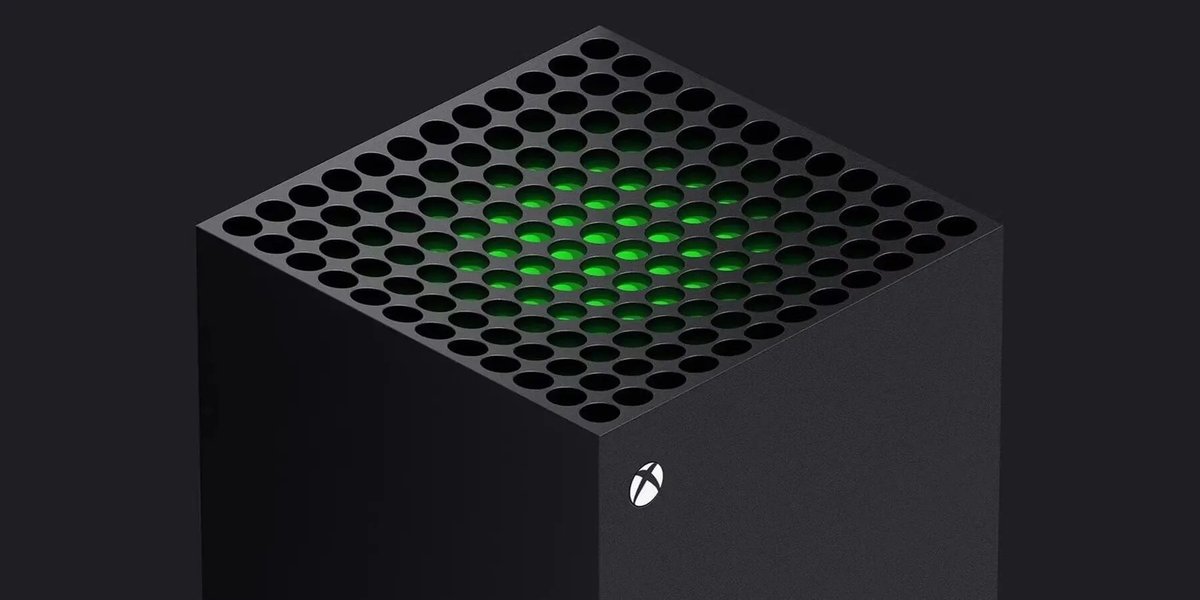
The whispers are growing louder, and the anticipation is reaching a fever pitch: a new era of gaming is on the horizon. Microsoft's next-generation Xbox console is more than just an iterative update; it's shaping up to be a monumental leap, promising to redefine what's possible in interactive entertainment. If you've been wondering what kind of raw power, groundbreaking features, and transformative experiences await, you're in the right place. We're diving deep into the rumored and confirmed elements of its next-gen Xbox Console Specifications & Performance, separating fact from informed speculation to give you a clear picture of the future.
This isn't just about faster load times or prettier pixels—it's about a holistic evolution of the gaming experience, driven by a philosophy that prioritizes player choice, accessibility, and sheer technological ambition. Microsoft is aiming for a "very premium, very high-end curated experience" that represents "the biggest technological leap ever in a generation." Ready to peek behind the curtain?
At a Glance: What We Know (and Speculate) About the Next-Gen Xbox
- Launch Window: Expected between 2026-2028, with 2027 a strong possibility.
- Raw Power: Significantly enhanced CPU and GPU, promising unprecedented performance.
- Graphics & Fidelity: Advanced ray tracing, higher frame rates, and rumored 8K resolution support.
- AI Integration: Dedicated AI hardware and neural rendering for hyper-realistic graphics and immersive gameplay.
- Cloud Hybrid Model: Deep integration of cloud gaming to enhance and expand the console experience.
- Backward Compatibility: Confirmed support for thousands of existing Xbox titles, often with free enhancements.
- Ecosystem Evolution: Potential for multiple PC storefronts (like Steam) and "closer to Windows" functionality.
- No Online Paywalls (Rumored): Speculation suggests online multiplayer might no longer require a paid subscription.
- Partnership: AMD is co-engineering custom silicon for the console and wider Xbox ecosystem.
- Pricing: Speculated to launch at $600 or higher, though Phil Spencer says no $1000 consoles.
- Name: No official name announced; "Xbox Prime" is an unverified codename/rumor.
- Hardware Confirmation: Microsoft actively denies cancellation rumors, confirming continued investment in future consoles and devices.
The Dawn of a New Era: Why Next-Gen Xbox Matters
Microsoft isn't just building a faster box; they're envisioning a new ecosystem. The focus isn't solely on the console as a standalone device, but rather as a central pillar in a sprawling, interconnected gaming universe. This next-gen effort is about democratizing access to cutting-edge experiences, whether you're playing on a dedicated console, streaming via the cloud, or engaging with a potential handheld device. The promise of "revolutionizing gaming" isn't a throwaway line; it's a mission statement.
This strategic ambition is backed by substantial investment. Microsoft has been actively developing next-gen hardware in what they've dubbed a "secret Xbox lab," first revealed in April and October 2025. They've also been hiring top-tier talent, bringing in engineers in August 2024 specifically to "define the future of graphics and game development." This commitment underscores the seriousness with which they approach this generational leap, aiming for an experience that genuinely pushes boundaries.
Under the Hood: Anticipated Specifications & Raw Power
At the heart of any console generation lies its raw computational muscle. For the next-gen Xbox, the focus is squarely on delivering a dramatic uplift in processing capabilities, moving beyond the current Xbox Series X with a purpose-built architecture designed for the demands of tomorrow's games.
CPU & GPU: The Core Engines of Performance
Expect a significant enhancement in both the Central Processing Unit (CPU) and Graphics Processing Unit (GPU). While specific clock speeds and core counts remain under wraps, industry insiders and Microsoft's own statements point to a substantial generational leap. This isn't just about boosting numbers; it's about optimizing the entire pipeline for gaming. The partnership with AMD, announced on June 17, 2025, is pivotal here. This multi-year agreement to co-engineer custom silicon spans not just consoles, but also PC, handhelds, cloud infrastructure, and accessories. This collaboration ensures that the core processing units will be meticulously tailored to Microsoft's vision for "the next generation of graphics innovation," a topic further explored in our deep dive into the AMD-Microsoft partnership for the next Xbox. This deep collaboration allows for highly specialized chip designs that can achieve efficiencies and performance levels simply not possible with off-the-shelf components.
The AI Revolution: Dedicated Silicon & Neural Rendering
One of the most exciting, and perhaps least understood, aspects of the next-gen Xbox is its rumored integration of advanced AI capabilities. This isn't just about smarter NPCs; it's about fundamentally altering how games look and perform. Dedicated AI hardware, likely in the form of specialized AI silicon, is expected to play a crucial role.
Think of it this way: traditional graphics rendering relies on a brute-force approach, calculating every pixel and light ray. Neural rendering, powered by AI, could potentially use machine learning models to intelligently reconstruct scenes, fill in details, or even generate entirely new visual elements with incredible efficiency and realism. This could lead to:
- Hyper-realistic Graphics: AI could intelligently enhance textures, lighting, and environmental details in real-time, making virtual worlds almost indistinguishable from reality.
- More Immersive Gameplay: AI could drive more believable character animations, dynamic environments that react intelligently to player actions, and sophisticated non-player character (NPC) behaviors that adapt and learn.
- Performance Boosts: By offloading certain rendering tasks to dedicated AI hardware, the main GPU could be freed up for other computations, leading to higher frame rates and resolutions without compromising visual quality.
This investment in AI is a strategic move, positioning the next Xbox at the forefront of what's possible in interactive visual fidelity.
Beyond 8K: Graphics Fidelity & Frame Rates
With enhanced CPU and GPU power, alongside AI accelerators, the next-gen Xbox is poised to push graphical boundaries. Advanced ray tracing, which simulates how light interacts with objects in a scene for incredibly realistic reflections, shadows, and global illumination, will likely see significant improvements, becoming a standard feature rather than a performance-heavy add-on.
The console is also expected to target higher frame rates as a standard, with 60 FPS (frames per second) becoming the baseline for many titles, and support for 120 FPS in competitive games. Furthermore, speculation points towards support for 8K resolution. While true native 8K rendering might be limited to specific titles or upscaling techniques, the hardware will be capable of outputting at this ultra-high definition, offering breathtaking clarity for those with compatible displays. The combination of these technologies aims to deliver a visual experience that is both incredibly detailed and remarkably fluid.
Load Times: SSDs and Beyond
The current generation of consoles made NVMe SSDs (Solid State Drives) a standard, virtually eliminating loading screens. The next-gen Xbox will undoubtedly build upon this foundation. Expect even faster SSDs, potentially leveraging advanced I/O (input/output) architectures to stream assets at unprecedented speeds. This means not only near-instant loading but also the ability for game worlds to be more expansive and detailed, without needing clever level design tricks to mask data loading. It's about ensuring players spend more time playing and less time waiting.
The Cloud Hybrid: Gaming Without Limits
Microsoft's vision for the next-gen Xbox extends far beyond the physical console itself, embracing a "cloud hybrid" model. This isn't about replacing your local hardware; it's about augmenting it, enhancing it, and giving you more flexibility than ever before.
This deep cloud gaming integration means several things:
- Enhanced Performance & Features: Some computationally intensive tasks, like advanced AI calculations or complex environmental physics, could potentially be offloaded to Microsoft's powerful cloud servers. This means your console could tap into additional processing power when needed, delivering experiences that would be impossible on local hardware alone.
- Seamless Play Across Devices: The cloud hybrid model aims to blur the lines between playing on your console, streaming to a tablet, or even a rumored dedicated handheld device. Your game progress, saves, and even active gameplay sessions could seamlessly transition between devices.
- Faster Updates & Expansions: Cloud infrastructure can enable faster content delivery and potentially more dynamic, evolving game worlds, as aspects of the game can be updated or even run partially from the cloud.
This strategy of intertwining local processing with cloud capabilities represents a significant shift, creating a robust and flexible platform not tied to a single store or device, driving the kind of graphical innovation that only a deep, co-engineered partnership can achieve, as detailed in our analysis of AMD, Microsoft, and the next Xbox.
The Ecosystem Expands: More Than Just a Console
The next-gen Xbox isn't just about hardware; it's about expanding an already robust ecosystem, making gaming more accessible and feature-rich for everyone.
Backward Compatibility: Your Game Library Lives On
One of the most user-friendly features confirmed for the next-gen Xbox is its robust backward compatibility. Thousands of existing Xbox titles, from the original Xbox to the Xbox Series X|S, will be playable on the new console. Even better, many of these games will benefit from enhanced performance, improved visuals, and potentially even free upgrades, breathing new life into your cherished library. This commitment ensures that your past investments in games aren't lost and provides a massive catalog of content from day one.
Exclusive Titles & Beyond: First-Party Power
Microsoft's studios are hard at work developing exclusive next-gen games designed to showcase the new console's capabilities. While specific titles are still under wraps, expect new entries in beloved franchises like Halo, alongside updates and continued support for games like Sea of Thieves. The acquisition of Zenimax Media (Bethesda Softworks) has significantly strengthened Xbox's game development capabilities, adding a wealth of acclaimed studios and IPs to its portfolio. This means a steady stream of high-quality, exclusive experiences that fully leverage the next-gen hardware.
Opening Doors: Multi-Storefronts & Cross-Platform Play
Perhaps one of the most intriguing rumors is the possibility of the next Xbox being "closer to Windows than ever before," potentially allowing access to Steam and other PC storefronts directly on the console. Reports in May 2025 suggested Xbox had talks with PC storefront owners, and an October 2025 report implied multiple storefronts could be accessible. This would be a game-changer, breaking down traditional console walled gardens and offering players an unprecedented choice of where to buy their games.
Another significant rumor suggests that the next Xbox will not feature paywalls for online multiplayer. If true, this would be a monumental shift, removing a long-standing barrier to entry and making online gaming free for everyone, aligning with the "play anywhere" philosophy. This move would further enhance Xbox's appeal by fostering a more inclusive and accessible online community.
The Game Pass Advantage: Value and Variety
The Xbox ecosystem continues to revolve around Xbox Game Pass, a service that has revolutionized how players access games. Expect the next-gen Xbox to deeply integrate with Game Pass, offering a vast, evolving library of titles, day-one access to first-party releases, EA Play integration, and cloud gaming tiers. This means you could potentially subscribe to a massive library of games without needing to purchase them individually, representing incredible value.
Xbox Live & Community: Connecting Players
Xbox Live will remain the backbone of the online community, providing robust features like cross-platform play, party chat, achievements, and a seamless mobile app experience. The enhancements to the console's connectivity and cloud integration will only strengthen these social aspects, making it easier than ever to connect with friends and fellow gamers, regardless of their platform.
The Future Form Factor: Console, Handheld, or Both?
The conventional image of a gaming console might evolve with this next generation. While a powerful home console is confirmed, rumors also suggest a dedicated handheld device might be released alongside it. This wouldn't be a separate, weaker platform, but rather an extension of the Xbox ecosystem, allowing players to seamlessly continue their console games on the go. The idea of the next Xbox being "closer to Windows" suggests a more flexible hardware and software environment, potentially enabling a wider range of form factors and greater integration with PC gaming.
When Can We Play? Launch Window & Pricing Expectations
Predicting exact dates and prices for unreleased hardware is always speculative, but based on industry trends and leaked information, we can make educated guesses.
Release Date Rumors: Navigating the Speculation
Industry insiders generally speculate a launch window for the next-gen Xbox between 2026 and 2028, with a strong possibility of a 2027 release. Earlier leaks from Microsoft vs. FTC court documents suggested a 2028 release, but Microsoft Gaming CEO Phil Spencer has since indicated that some of this information is outdated, leaving the door open for an earlier launch. Microsoft's active development in "secret labs" and significant hiring for graphics development certainly points to a console that's well into its design and engineering phases, making a mid-to-late decade launch highly probable.
What Price Tag to Expect?
Pricing for a cutting-edge console is always a hot topic. Current speculation estimates the next Xbox console could launch around $600 or higher. This is influenced by the current high-end console market, where the Xbox Series X saw a price increase to $649 in September 2025.
However, Phil Spencer has made it clear that Microsoft will "not build $1000 consoles," indicating a commitment to keeping the hardware within a premium but accessible range. Given the advanced features like dedicated AI hardware, next-gen CPU/GPU, and potentially 8K capabilities, a price point north of $600 seems reasonable for a device touted as "the biggest technological leap ever." Expect different configurations or bundles, possibly including Xbox All Access (which bundles a console with Game Pass Ultimate), to provide flexible purchasing options.
Common Questions About the Next-Gen Xbox
Let's tackle some frequently asked questions about what Microsoft has planned.
Will it replace my current Xbox Series X/S?
While the next-gen console will offer significant advantages, "replace" is a strong word. Your Xbox Series X/S will continue to be supported, and thanks to backward compatibility, many games will likely bridge the gap. However, new exclusive titles and the most graphically demanding experiences will naturally gravitate towards the next-gen hardware, eventually making the Series X/S less central to cutting-edge gaming. Think of it as a significant upgrade, not an immediate obsolescence.
What does "cloud hybrid" truly mean for gameplay?
A "cloud hybrid" model means your console won't be entirely reliant on its internal hardware for every task. Some processing, especially for complex AI or vast world generation, could be offloaded to Microsoft's cloud servers. For you, this means potentially more detailed worlds, smarter AI, and smoother performance, even in scenarios that would strain a purely local machine. It could also mean better game scalability, adapting experiences to different devices more seamlessly, reflecting Microsoft's broader strategy, which emphasizes cutting-edge silicon co-engineering with partners like AMD, a relationship pivotal to the console's future, as highlighted in our guide to the AMD and Microsoft collaboration on the next-gen Xbox.
Will all games support 8K and high frame rates?
It's unlikely that all games, especially at launch, will natively support 8K resolution and consistently high frame rates (like 120 FPS). Delivering true 8K at high frame rates is incredibly demanding. Developers will make choices based on their artistic vision and technical limitations. Expect 8K support to be a feature that gains traction over the console's lifespan, possibly through upscaling technologies, while 60 FPS becomes the more common target for performance.
Is a handheld Xbox confirmed?
No, a dedicated handheld Xbox device is currently a rumor. However, given Microsoft's emphasis on cloud gaming, expanding game availability, and a desire to be "closer to Windows," such a device would align with their strategic direction of playing anywhere. It's an exciting possibility, but not yet confirmed.
Will Xbox Game Pass be required to play games?
No, Xbox Game Pass is a subscription service that offers a library of games, not a requirement to play all games. You will still be able to purchase individual games digitally or physically (if a disc drive is included, which is yet to be confirmed but likely), and play them without a Game Pass subscription. However, the value proposition of Game Pass will undoubtedly be a central part of the Xbox experience.
The Road Ahead: What to Watch For
The next-gen Xbox is shaping up to be a console that prioritizes innovation, flexibility, and a truly interconnected gaming experience. As a player, this means more choices, more ways to play, and a graphical fidelity that promises to be breathtaking.
Keep an eye out for official announcements regarding the console's name, concrete specifications, and launch titles. Expect a gradual unveiling of features and capabilities as we get closer to the launch window. The gaming landscape is poised for another seismic shift, and Microsoft's next Xbox console is ready to lead the charge into what could be its most transformative generation yet. The future of gaming looks powerful, flexible, and intensely intelligent.